Top 2026 Corrugated Iron Roofing Sheet Making Machines Guide?
The demand for durable and cost-effective building materials has surged in recent years, especially for corrugated iron roofing sheets. According to a recent market report by Industry Research Data, the global market for these roofing solutions is projected to grow by 7% annually, driven by urbanization and construction activities in developing regions. This brings opportunities for manufacturers of corrugated iron roofing sheet making machines.
One industry expert, Dr. Liam Collins, emphasizes the importance of innovation in this field. He stated, “The future of corrugated iron roofing sheet manufacturing lies in advanced technology and efficiency.” This highlights a critical reflection: while many manufacturers invest in machinery, few fully harness the potential of modern automation to increase their competitiveness.
As the market evolves, understanding the landscape of corrugated iron roofing sheet making machines becomes vital. Decisions can impact production efficiency, labor costs, and product quality. However, not all machines deliver as promised. Manufacturers must critically evaluate their choices, focusing on machines that align with their specific needs and offerings. This requires an ongoing commitment to learning and adaptation.
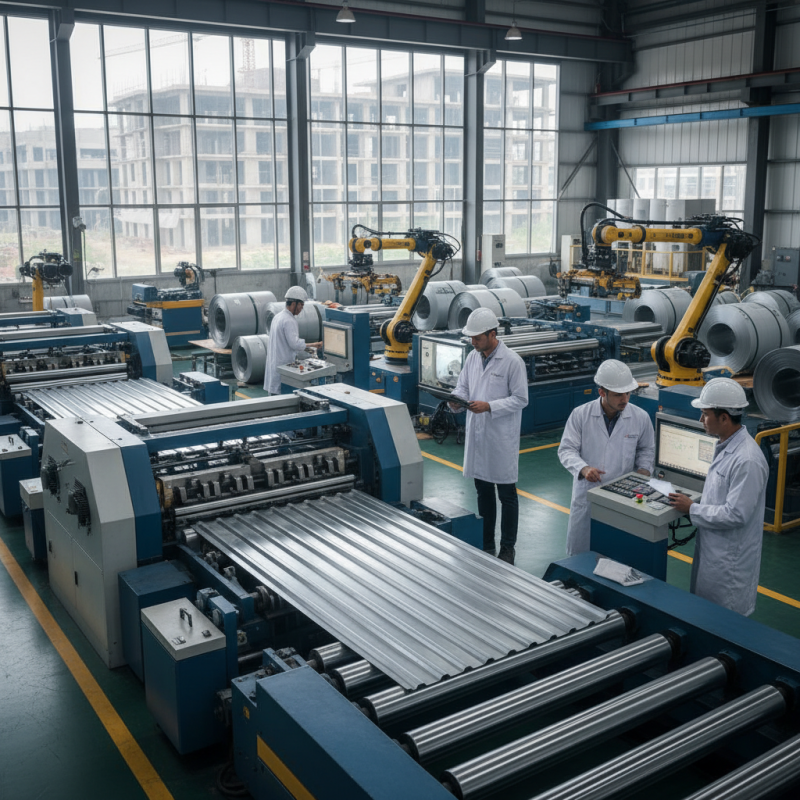
Overview of Corrugated Iron Roofing Sheets and Their Applications
Corrugated iron roofing sheets are widely used in construction due to their durability and cost-effectiveness. They provide excellent protection against harsh weather, making them ideal for various applications. According to a recent industry report, the global corrugated metal roofing market is projected to grow at a CAGR of 6.5% from 2022 to 2030.
These roofing sheets are commonly found in residential buildings, warehouses, and agricultural structures. Their lightweight nature allows for easy installation, reducing labor costs. The sheets also offer versatility in design, enabling both modern and traditional aesthetics. However, one key challenge is the potential for rust, which may compromise the longevity of the roofing. Regular maintenance is essential to prevent corrosion.
Furthermore, the production of corrugated sheets can result in waste and environmental impact. While advancements have been made, some factories still struggle with efficient resource management. Improvements in technology could address these issues, yet investment in sustainable practices remains a hurdle for many manufacturers. The future will require a balance between functionality and environmental responsibility in the roofing industry.
Essential Features of High-Quality Roofing Sheet Making Machines
When choosing roofing sheet making machines, certain features stand out. Durability is crucial. Machines must withstand constant use and harsh conditions. According to industry reports, around 30% of machine failures are due to weak components. Investing in high-quality materials reduces this risk significantly.
Efficiency also ranks high. Speed is key in production. A good machine can produce up to 20 meters of roofing sheets per minute. However, this speed should not sacrifice quality. Precision cutting techniques ensure that sheets fit perfectly, avoiding waste. Intriguingly, 15% of manufacturers report inefficiencies stemming from outdated technology.
User-friendly design is another essential factor. Operators should easily manage the machines. Complicated controls can slow down production. Additionally, regular maintenance is vital. Many companies underestimate this aspect, leading to unexpected downtimes. Reports indicate that routine checks can enhance machine lifespan by at least 25%. Thus, investing in features that promote ease of use and maintenance can lead to long-term benefits.
Key Manufacturers of Corrugated Iron Roofing Sheet Machines in 2026
In 2026, the market for corrugated iron roofing sheet machines is thriving. Various manufacturers are competing to meet the increasing demand. Innovations in technology play a crucial role. These machines are designed for efficiency and durability. They often have automatic features that enhance productivity. However, not all machines are equal. Some lack essential safety features. It's vital to choose wisely.
Key players in the industry are constantly refining their products. They focus on improving production speed and energy consumption. While many machines offer impressive specs, real-world performance can differ. Users often report maintenance challenges. Some machines may need frequent repairs. This can affect overall efficiency.
Investing in the right machine requires careful consideration. Do thorough research on manufacturers. Compare their offerings and customer reviews. Ask about warranty and support services. Understanding the limitations can guide better purchasing decisions. It's essential to balance costs with long-term reliability.
Step-by-Step Guide to Choosing the Right Machine for Your Needs
Choosing the right corrugated iron roofing sheet making machine requires careful consideration. Start by assessing your production needs. How many sheets do you plan to produce each day? Your answer will help narrow down your options. Look for machines that offer reliability and efficiency. Features like energy consumption also matter.
Consider the size and weight of the machine. Will it fit in your workspace? Transporting heavy machinery poses challenges. Tips: Always measure your available space before making a purchase. This can save you from costly adjustments later on.
Maintenance is crucial. Some machines require more upkeep than others. Don’t overlook this aspect. It can affect your overall productivity. Moreover, think about the training needed for your team. Machines vary in complexity. A user-friendly model may reduce the learning curve. Tips: Seek feedback from operators about machine usability. Their insights can guide your choice effectively.
Maintenance Tips for Prolonging the Life of Roofing Sheet Machines
Maintaining roofing sheet machines is crucial for their longevity. Regular inspections are necessary. Check for signs of wear or damage. Loose bolts and misaligned parts can lead to problems. Address these issues immediately. Pay attention to the machine's cleanliness. Dust and debris can cause malfunction. A clean machine operates more efficiently.
Lubrication is another vital aspect. Use the right lubricants as specified in the manual. Over-lubricating can create a mess. Less frequent lubrication may cause friction. Striking a balance is essential. Operators should be trained to recognize when maintenance is needed.
Record all maintenance activities meticulously. This practice helps identify recurring problems. Mistakes happen; don't overlook them. Reflect on past issues and learn from them. Sometimes a machine fails despite regular care. Analyze the reasons behind it. Continuous learning can enhance machine performance over time.



