What is a Fiberglass Mesh Machine and How Does It Work?
In the world of construction and manufacturing, a fiberglass mesh machine plays a crucial role. It facilitates the production of fiberglass mesh, a versatile material used for reinforcement and insulation. According to Robert Chen, an industry expert, "The fiberglass mesh machine is the backbone of modern materials." This statement captures the essence of its significance.
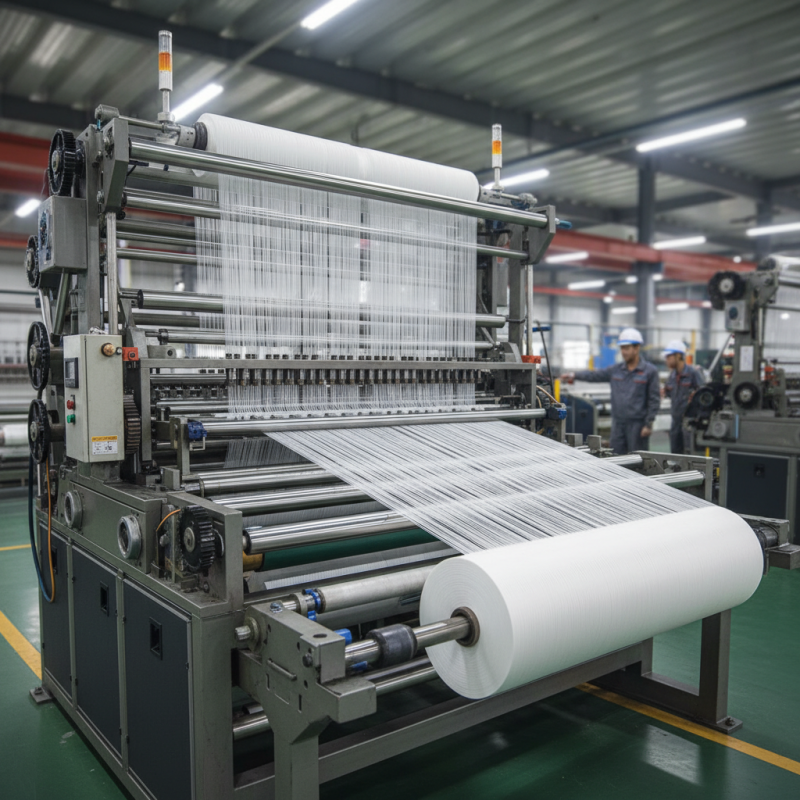
fiberglass mesh machines operate by weaving fibers into a robust network. This process ensures durability and strength, qualities essential for various applications. However, the technology may seem complex at first glance. Understanding it requires more than just reading specifications — it demands a hands-on approach to grasp its intricacies.
Yet, challenges persist in this industry. For instance, not all machines deliver consistent quality. Some manufacturers might cut corners, compromising the integrity of the mesh produced. This inconsistency can lead to significant issues down the line. Therefore, selecting a reliable fiberglass mesh machine is not just important; it is vital for success.
What is Fiberglass Mesh and Its Applications?
Fiberglass mesh is a versatile material widely used in construction and manufacturing. It consists of woven glass fibers, ensuring strength and durability. Many industries benefit from its properties, especially in building projects. This mesh serves as reinforcement in plaster, concrete, and other materials. It enhances tensile strength and helps prevent cracking.
Applications for fiberglass mesh extend beyond construction. It is commonly used in reinforcing walls. The mesh improves surface stability in various coatings. In the production of fiberglass panels, this material is essential. It can also be found in window screens and insulation. Many homes use fiberglass mesh for added security against pests.
However, not all applications are perfect. Some users find challenges with installation. The mesh can be prone to tearing if not handled carefully. Moreover, environmental factors may affect its lifespan. Reflecting on these limitations is important. Users must consider the balance of benefits and drawbacks.
Fiberglass Mesh Applications and Production Volume
This bar chart illustrates the production volume of fiberglass mesh across various applications, showcasing the dominant use in the construction industry followed by automotive and aerospace sectors. Fiberglass mesh is essential for providing strength and durability in these applications.
Overview of Fiberglass Mesh Machines in the Manufacturing Process
Fiberglass mesh machines play a vital role in the production of composite materials. They create a robust network of fiberglass strands woven together. This mesh provides enhanced strength and durability in various applications. The manufacturing process starts with raw fiberglass yarns, which are pulled from spools. These yarns are then coated with a resin for added strength.
Once the yarns are ready, they pass through a weaving mechanism. This is where the magic happens. The yarns interlace to form a grid-like pattern. The density and thickness can be adjusted based on the intended use. Operators must monitor the tension during this process. Any variation can lead to inconsistencies in the final product.
In addition, quality control is essential. Regular checks ensure that the mesh meets industry standards. Sometimes, flaws occur during weaving. This could result in weak spots or mismatches in density. These issues require attention. Reflecting on these challenges, manufacturers can continuously improve their processes. Overall, fiberglass mesh machines are crucial. They support various industries, from construction to automotive.
Overview of Fiberglass Mesh Machines in the Manufacturing Process
| Feature | Description | Benefits |
| Material Type | Fiberglass | Lightweight and strong |
| Mesh Pattern | Various patterns available (square, diamond, etc.) | Versatile applications |
| Production Speed | High-speed weaving machines | Increased output efficiency |
| Customization | Custom sizes and tensile strengths | Meeting specific project requirements |
| Applications | Building construction, reinforcing materials | Durability and structural integrity |
Key Components of a Fiberglass Mesh Machine
A fiberglass mesh machine plays a crucial role in the production of fiberglass mesh. It consists of several key components that work together to ensure efficiency and quality. One of the main elements is the weaving device. This device uses various weaving techniques to create a strong, durable mesh structure. According to industry reports, the weaving speed can reach up to 120 meters per minute, highlighting its effectiveness in high-volume production.
The second important component is the resin application system. This system applies a resin coating to enhance the mesh's durability and resistance to environmental factors. Studies show that fiberglass mesh coated with quality resin can significantly increase longevity. However, precision during this application is vital; even a slight miscalibration can lead to weak spots in the mesh, which may not be immediately visible.
Lastly, there's the cutting and packaging unit. After the mesh is woven and coated, it needs to be cut into required sizes. This process must maintain strict accuracy to prevent material waste. Industry analysis indicates that improper cutting can lead to over 15% wastage. Addressing these aspects ensures that manufacturers provide reliable products while optimizing resource use. Each component must work seamlessly; any malfunction can disrupt the entire production line.
How a Fiberglass Mesh Machine Operates Step-by-Step
A fiberglass mesh machine is essential for producing strong, lightweight mesh used in construction and industrial applications. Understanding how it works can help enhance production efficiency. The process begins with raw fiberglass strands. These strands are unwound and fed into a weaving loom. The loom interlaces the strands to create the mesh pattern. This step is crucial for ensuring strength and flexibility in the final product.
After weaving, the mesh typically undergoes a coating process. A resin or specialized chemical is applied to enhance durability. This treatment increases resistance to environmental factors, making the mesh suitable for various applications. Industry reports indicate that the global demand for fiberglass mesh is projected to grow by 7.5% annually. This highlights the importance of efficient machinery to meet market needs.
Tip: Regular maintenance of the fiberglass mesh machine is vital. Check the weaving tension frequently to avoid production flaws. A minor adjustment can prevent significant waste. Additionally, operators should be trained to troubleshoot common issues. Proper training reduces downtime and ensures high-quality output.
Advantages of Using Fiberglass Mesh Machines in Production
Fiberglass mesh machines have revolutionized production in various industries. These machines streamline the process of creating durable, lightweight materials. They ensure consistent quality, which is crucial for market competitiveness. According to industry reports, using fiberglass mesh can improve material strength by up to 30%. This increase in durability leads to reduced material waste during production.
The efficiency of fiberglass mesh machines also lowers operational costs. Automation minimizes labor needs and accelerates production speeds. Some studies show that companies utilizing these machines report a 25% reduction in labor costs. However, the initial investment can be significant. Not all businesses can afford this upfront expense. As such, some may hesitate to adopt this technology, fearing lower returns on investment.
Despite these challenges, the long-term benefits often outweigh initial concerns. Fiberglass mesh machines can handle various fabric types with ease. This adaptability helps meet diverse customer demands. Companies hesitant to invest may miss out on quality improvements. As production needs evolve, failing to innovate could leave businesses behind. Embracing fiberglass technology might be the key to sustainable growth.



