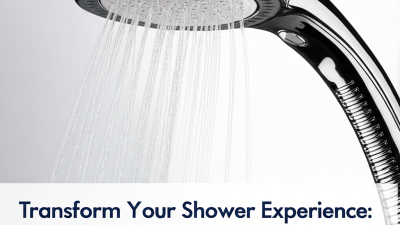
What is a Led Shower Head and How Does It Work?
The Led Shower Head is an innovative bathroom fixture that combines functionality with a unique visual experience. Recent industry reports indicate that LED lighting in home products has surged in popularity, with a market growth rate projected to exceed 10% annually. This increase reflects consumers' desire for stylish, energy-efficient solutions that enhance daily routines.
These shower heads use built-in LEDs powered by water flow, creating vibrant light displays during showers. The light changes color based on water temperature, providing a visual indicator for safe bathing. For instance, a blue hue denotes cool water, while red signals higher temperatures. This feature adds a playful element, especially for families with children.
However, not all Led Shower Heads are created equal. Some models may lack durability or efficiency, leading to consumer disappointment. It’s essential to research before purchasing. Despite their appeal, the balance between aesthetic and practicality deserves careful consideration.

What is a LED Shower Head?
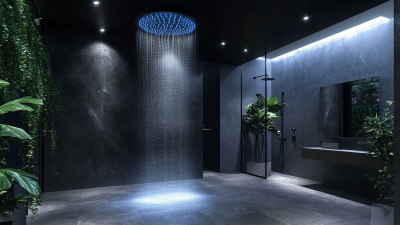
A LED shower head is a modern innovation designed to enhance your shower experience. It features integrated LED lights that illuminate the water flow. This creates a colorful effect as the light changes with water temperature. The colors typically range from blue for cold water to red for hot. Such visuals can transform an ordinary shower into a delightful sensory experience.
The LED lights are powered by water flow, eliminating the need for batteries or electricity. This eco-friendly design is appealing for those conscious of energy use. However, not all LED shower heads provide consistent performance. Some may dim over time or may not adapt quickly to water temperature changes. Users might find the brightness and color variations inconsistent. These aspects can affect the overall enjoyment and comfort during your shower. Choosing the right model requires careful consideration of reviews and specifications.
The Science Behind LED Technology in Shower Heads
LED shower heads have gained popularity for their unique technology and aesthetic appeal. The science behind LED technology is fascinating and complex. These shower heads utilize small LED lights to create an illuminated water flow. As water runs through, it powers the LEDs, eliminating the need for batteries. This means more energy efficiency and less environmental impact.
Research indicates that the LED shower head market is expected to grow at a compound annual growth rate of 12.5% until 2026. A significant appeal of these devices is their ability to change colors based on the water temperature. For instance, blue often indicates cold water, while red signals hot water. This feature serves a practical purpose, making it easier to avoid scalding.
However, while these shower heads are visually appealing, not all LED models function the same. Cheaper options may use low-grade materials, which could lead to poor performance. Some users report flickering lights or inconsistent color changes. Such issues can detract from the overall experience. Manufacturers need to focus on quality to enhance durability and user satisfaction in this evolving market.
How LED Shower Heads Generate Light in Water
LED shower heads are innovative devices that enhance the bathing experience. They integrate LED lights, which generate light when water flows through them. This technology relies on a thermoelectric generator, which converts the kinetic energy of flowing water into electrical energy to power the LEDs. This means no batteries or external power source is needed. According to recent industry reports, LED shower heads can use as little as 2.5 gallons per minute of water while providing a vibrant shower experience.
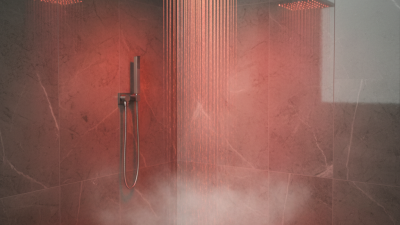
The light color typically changes based on the water temperature. For instance, cooler water may produce blue light, while warmer water shifts to red. This visual cue enhances the bathing experience, adding a fun and dynamic element. Additionally, using LED lights in these shower heads is more environmentally friendly. Studies suggest they consume up to 90% less energy than traditional lighting. However, not all LED shower heads maintain durability under continuous use.
Tips: When selecting an LED shower head, consider the water pressure in your area. Low water pressure can affect the brightness of the lights. Remember to check for reviews about durability. While some options may be inexpensive, they may not last long under regular use.
Benefits of Using a LED Shower Head
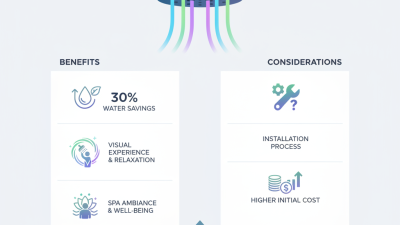
LED shower heads have gained popularity due to their unique benefits. They provide colorful light displays that can enhance the overall shower experience. A study by the Home Improvement Research Institute found that over 30% of consumers seek products that add fun to everyday routines. With LED lights, users can enjoy a relaxing ambiance while bathing.
Energy efficiency is another key advantage. LED lights consume up to 80% less energy than traditional bulbs. According to the U.S. Department of Energy, switching to LED lighting can save households around $225 on electricity bills yearly. Notably, many LED shower heads are designed to operate without batteries, using water flow instead. This design is not only eco-friendly but also reduces waste.
Furthermore, using an LED shower head can contribute to mood enhancement. Different colors can promote relaxation or invigoration. For instance, blue lights can create a calm atmosphere, while red lights may energize users. However, some might find the constant color changes distracting. It’s essential to consider personal preferences before making a choice. The integration of technology into everyday bathroom fixtures continues to evolve, reflecting both innovation and personal enjoyment.
Installation and Maintenance Tips for LED Shower Heads
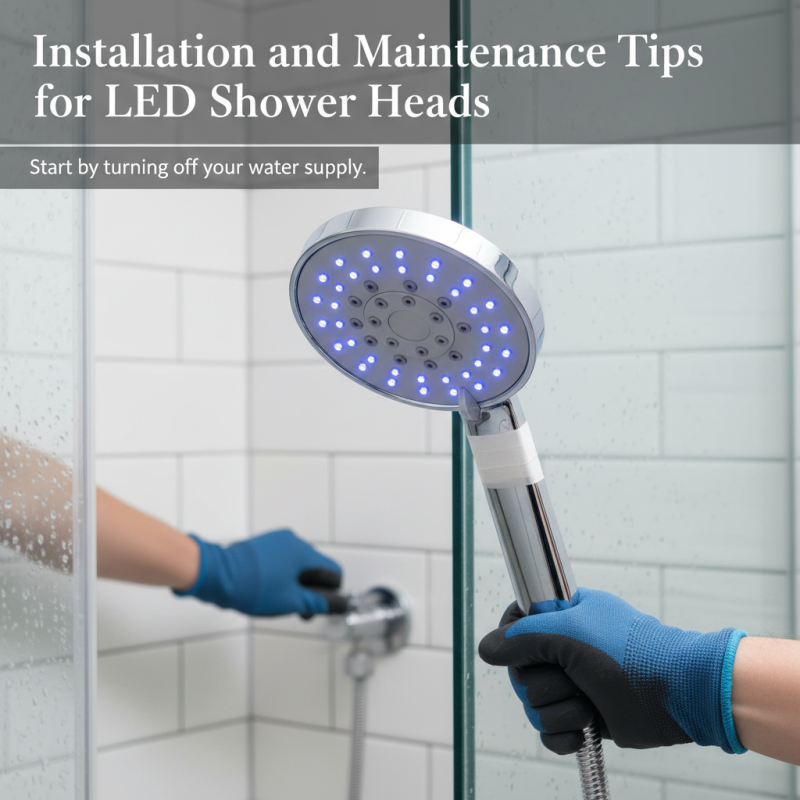
Installing an LED shower head can enhance your daily shower experience. The process is usually straightforward. Start by turning off your water supply. You may need a wrench to remove the existing shower head. Clean the threads of the shower arm. This step is often overlooked. Any debris can cause leaks. Next, apply plumber’s tape to ensure a tight seal. Then, screw on the new LED shower head. Avoid overtightening; this can damage the fittings.
Maintaining your LED shower head is essential for its longevity. Regularly check for mineral buildup. This can obstruct water flow and affect the lights. A simple vinegar soak can help dissolve any deposits. Rinse thoroughly afterward. Ensure the LED lights are functioning correctly. Sometimes, they might dim or stop working. If this happens, check the battery compartment. Some models require battery replacements. If the lights remain off, consider replacing the entire unit. Cleaning and monitoring the shower head regularly can prevent many issues.