What is an Over Head Shower and How Does it Work?
An Over Head Shower transforms the everyday routine of bathing into a rejuvenating experience. Industry expert, John Smith, says, "An Over Head Shower offers more than convenience; it elevates wellness." These fixtures provide an immersive shower experience, allowing water to cascade down from above.
Imagine standing under a steady stream of warm water. The sensation can be both relaxing and invigorating. However, not every Over Head Shower is created equal. The size, design, and water pressure play a crucial role in the overall experience. Some users report dissatisfaction with their unit's performance.
While many enjoy the luxury of an Over Head Shower, some may find it challenging to install. Different ceiling heights can complicate setup. Additionally, depending on the showerhead's type, water efficiency may be a concern. It is essential to balance luxury with sustainability, ensuring that showers do not waste precious water resources.

Overview of Over Head Showers and Their Functionality
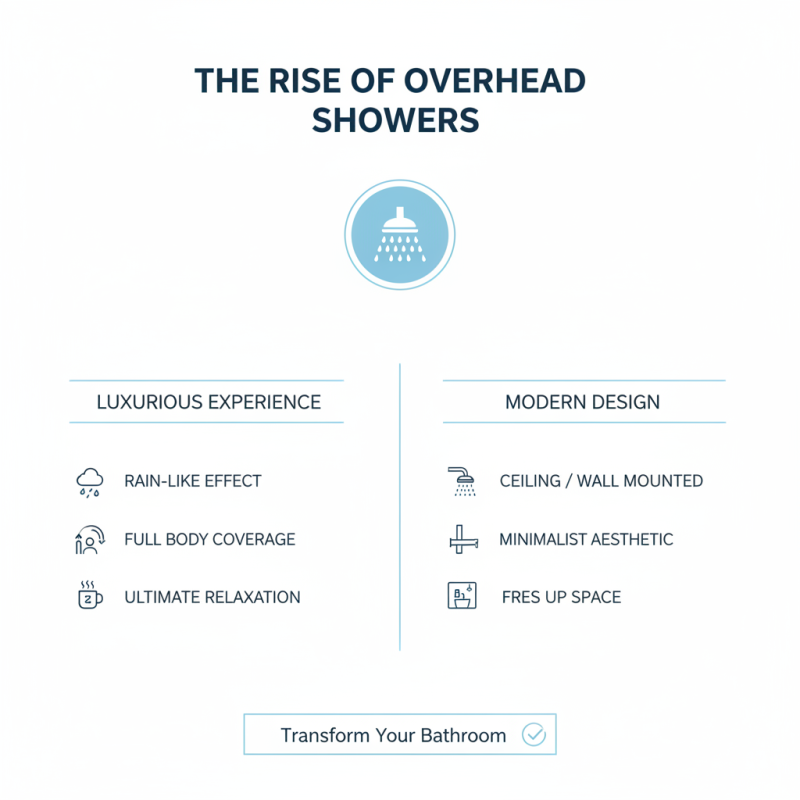
Overhead showers are becoming increasingly popular in modern bathrooms. They provide a unique and luxurious shower experience. Unlike handheld showers, overhead models are mounted on the ceiling or a wall. This allows water to fall directly from above, creating a rain-like effect that can be incredibly relaxing.
According to a report from the National Kitchen & Bath Association, overhead showers are preferred by 65% of homeowners when redesigning their bathrooms. The experience is often described as invigorating. However, they may not be suitable for all bathrooms. Installation can be complex, especially in existing structures. It often requires professional help to ensure proper water flow and drainage.
Another aspect to consider is water efficiency. While many overhead showers are designed to splurge water, eco-friendly options are available. Studies show that low-flow models can reduce water usage by up to 40%. This is crucial as water scarcity becomes a pressing global issue. Still, the balance between luxury and sustainability must be carefully assessed. Not every overhead shower will meet efficient standards, and some can become water-wasting fixtures if not chosen wisely.
Types of Over Head Showers Available in the Market
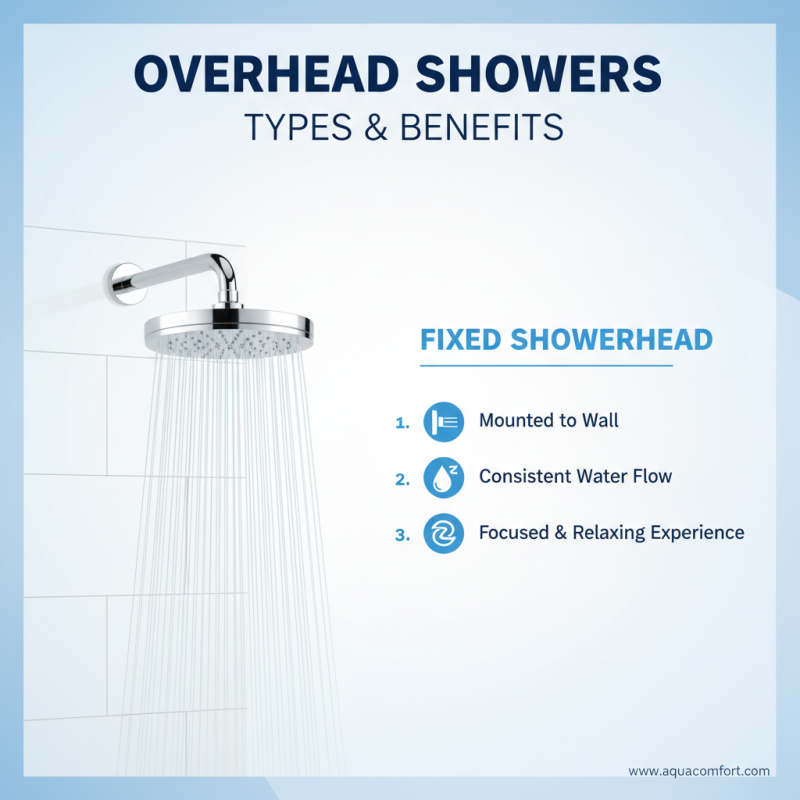
When it comes to overhead showers, there are several types available in the market. Each type caters to different preferences and needs. One common type is the fixed showerhead. This is mounted to the wall and provides a consistent flow of water. The experience can be focused and relaxing.
Another option is the handheld showerhead. This type offers more flexibility, allowing users to direct the water where they want it. It’s quite handy for cleaning and rinsing. Users appreciate the versatility it brings to their shower routine.
Tips: Consider the water pressure in your home. Some overhead showers perform better with higher pressure. If your home has low pressure, a handheld option might serve you better.
Rainfall showerheads are also popular. They mimic the feeling of natural rain, which many find soothing. The wide coverage lets the water flow down more gently. However, the installation can be tricky and may require professional help.
Tips: Think about your bathroom space. A larger shower area complements a rainfall showerhead well. In smaller spaces, a compact design may be preferable.
Installation Process for Over Head Showers
Installing an overhead shower can be a rewarding DIY project. It's essential to gather the right tools before starting. A wrench, screwdriver, and Teflon tape will help. Make sure you turn off the water supply to avoid any surprises.
Begin by removing the existing showerhead. Use the wrench to loosen it. Clean the thread before installing the new overhead shower arm. Wrap Teflon tape around the threads to ensure a watertight seal. Then, tighten the arm securely but be careful not to overdo it.
Next, attach the overhead shower. Position it at your preferred height. This part can be tricky, as you'll need to ensure the angle is just right. Test the water flow once connected. If there's a leak, reassess your installation. Remember that adjusting the showerhead's position can affect water pressure.
**Tip:** Always have a helper if you need to hold the shower in place while securing it.
Finally, turn the water supply back on slowly. Check for leaks again. Don’t rush this step; leaks can lead to bigger issues. If you encounter problems, take a moment to reflect on what might have gone wrong. Troubleshooting is part of the process.
What is an Over Head Shower and How Does it Work? - Installation Process for Over Head Showers
| Feature |
Description |
Installation Steps |
| Design |
Overhead showers provide a rain-like experience, enhancing comfort. |
1. Turn off water supply.
2. Remove old shower head. |
| Water Pressure |
Requires adequate water pressure for optimal performance. |
3. Install shower arm if needed.
4. Attach overhead shower head. |
| Materials |
Typically made from stainless steel or durable plastic. |
5. Seal the joints with plumber's tape.
6. Turn on water to check for leaks. |
| Varieties |
Available in different styles and sizes to fit various bathrooms. |
7. Adjust to desired angle (if adjustable).
8. Final check for stability. |
Benefits of Using Over Head Showers in Modern Bathrooms
Overhead showers have become a popular choice in modern bathrooms. They offer a range of benefits that enhance the showering experience. One major advantage is the feeling of rainfall. Water cascades down from above, creating a soothing sensation. This mimics nature, making showers more enjoyable.
Another benefit is the space-saving design. Overhead showers can free up wall space, making bathrooms feel larger. This is especially useful in smaller areas where every inch counts. Elegant designs can add a touch of luxury to any bathroom.
Tips for choosing the right overhead shower can help. First, consider the water pressure in your home. Some overhead showers require more pressure to function effectively. Second, think about the size of the showerhead. Larger heads provide a wider spray, but may need more space.
Reflect on your bathroom layout and style. Not every shower works in every space. Finding the balance between function and aesthetics is essential. The right overhead shower can enhance your daily routine significantly.
Maintenance Tips for Ensuring Longevity of Over Head Showers
Over head showers offer a
luxurious bathing experience. However, maintaining them is crucial for longevity. Regular cleaning is vital to
prevent mineral buildup. Hard water minerals can clog nozzles and decrease water flow. A report from the
Water Quality Association notes that 85% of households in the U.S. deal with hard water. This can lead to more frequent maintenance issues.
Check the showerhead periodically. If you notice low water pressure, it might be time to descale.
Soaking the showerhead in vinegar can help eliminate mineral deposits effectively. Additionally, consider replacing washer seals
every few years. These small components can wear out, leading to leaks. According to industry experts, even minor leaks can waste over
10,000 gallons of water per year.
Proper installation is also part of maintenance. Ensure that the overhead shower is correctly fixed to avoid strain on the plumbing.
Pay attention to any unusual sounds or drips. Addressing these early can help prevent costly repairs down the line. Remember, keeping your
overhead shower in top condition is a continuous task, not just a one-time effort.